Ragdoll MMA Fighting Style Tier List
Approaches for the RFC cage—physics and decisions beat gear every round.
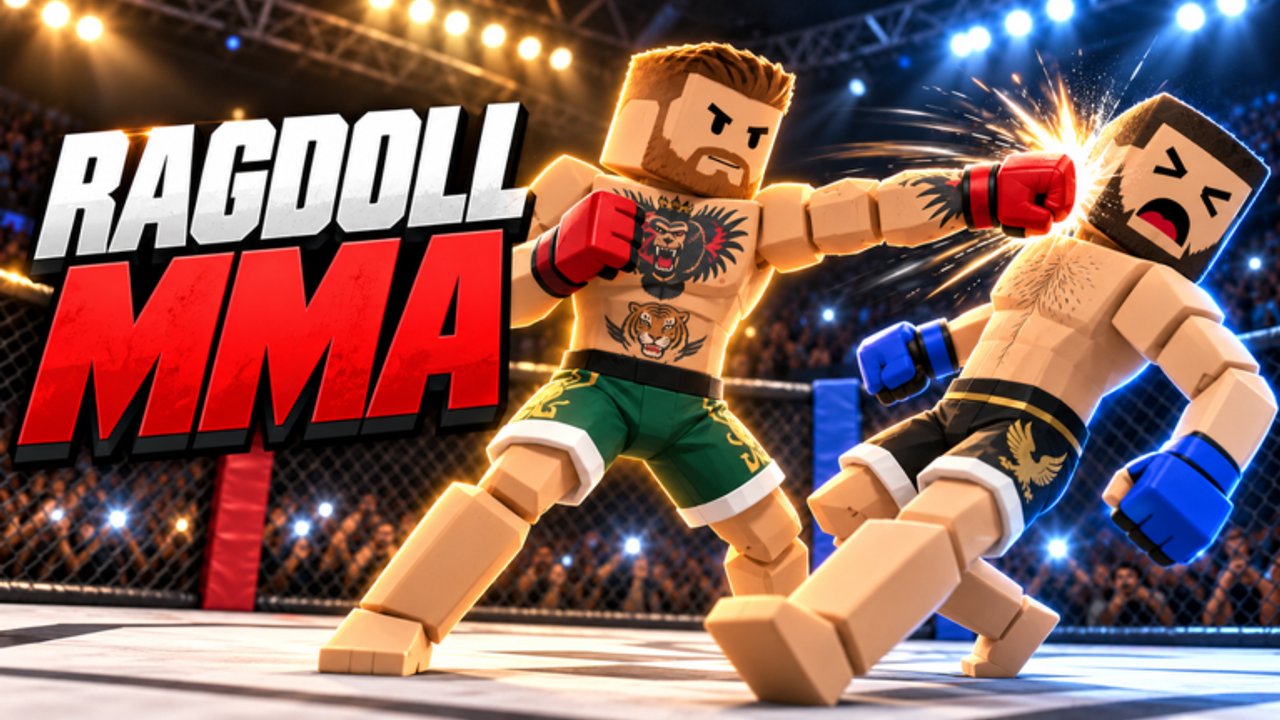
This Ragdoll MMA tier list ranks fighting approaches, not paywalled loadouts. Inside MattValidd’s physics MMA cage, a clean clinch entry or a timed kick matters more than Tattoo Studio ink or Fighter Colors. Use the tiers below as a practice roadmap for Fight a Player, Bot ladders, Practice, 2v2, 3v3, Wrestling, and Stand and Bang—not as an excuse to buy a pass you do not need.
Child deep dive: Fighting Styles expands each S/A/B lane with drill loops, a mode matrix, and weekly climb plans linked to grappling, striking, and Practice tools.
Rankings reflect early-development play patterns after the ~20 October 2026 release and the early-November HUGE/BIG UPDATE title-tag wave. Balance will move; skill ceiling stays above gear ceiling. There is no documented combat pay-to-win layer that overturns a better reader in the pocket.
Ranking criteria
- Consistency across 3×1-minute rounds and scored decisions
- Ability to force favorable scrambles (strike ↔ grab)
- Viability in both player lobbies and Bot Medium/Hard
- Flexibility when the mode changes (Wrestling vs Stand and Bang)
- Dependence on cosmetics or Gamepasses (lower is better—we reward skill)
Deep mechanics live in Striking, Grappling, and Controls. New players should skim Getting Started and the Practice checklist before chasing S-tier habits.
S tier — highest leverage approaches
Grappler pressure
Players who chain Grab (G) entries, body locks, and ground-and-pound while still threatening punches win the most “I controlled the fight” decisions. Grappler pressure shines when you cut the cage, force a back to the fence, and convert a failed strike into a takedown-minded scramble. It is demanding on timing and stamina management across three short rounds, which is exactly why it sits in S.
Pair this path with the Grappling guide and the expanded notes on Fighting Styles. Practice mode is mandatory: rehearse entry → control → punish, then break and reset.
Hybrid striker-grappler
Hybrids keep LMB/RMB punches and Q/E kicks honest while always holding a grab threat. Opponents who shell forever eat clinch entries; opponents who spam dive (X) get timed on the way in. Hybrid is the default “rank up” identity for players who refuse to be one-dimensional in 2v2/3v3 as well as 1v1.
If you only remember one sentence from this hub: mix until the opponent’s habit breaks, then commit.
A tier — strong with clear answers
Pure boxer
A pocket boxer who lives on punches, head movement, and cage cutting can farm cleaner KO and X-ray moments—especially in Stand and Bang where wrestling tools are de-emphasized. The weakness is predictable: dedicated grapplers who close distance punish a boxer who never setups levels. Still A tier because the punching game is expressive and controller-friendly once you open Controls from the main menu.
Drill jab–cross rhythms and exit angles in Striking.
Kick-heavy fighter
Kick specialists use Q/E to punish linear rushes and to score from mid range before a grab attempt. Hard kicks create the highlight bone-break clips people chase, but over-swinging leaves you open to shoots and punches. Kick-heavy is A when you kick to set grapples or exits, not when you kick on cooldown.
Stand-and-Bang specialists
Some players queue Stand and Bang on purpose and build an entire identity around upright exchanges. In that mode pool they can look S; across the full mode list they land in A because Wrestling and scramble-heavy lobbies demand different tools. If you main this lane, still learn a panic grab defense for when you rotate modes.
B tier — viable, narrower, or higher variance
Wrestling-mode specialists
Wrestling queues reward clinch chains and mat pressure. Specialists who only train that ruleset can dominate their preferred playlist and then look lost in Stand and Bang or chaotic 3v3 striking fests. Treat Wrestling specialty as a playlist skill, then broaden with hybrid habits so you are not soft-locked.
Dive-first chaotic rushers
Dive (X) is a real tool for closing distance and creating messy ragdoll collisions. Dive-first players generate clips and also generate free counters. Until you add feints, delayed dives, and post-dive grabs or punches, this path stays B: exciting, inconsistent, and punishable by patient boxers and grapplers.
Turtle-and-poke survivors
Low-risk poking can steal close decisions on the scorecards, especially against reckless bots. Against humans who cut off the cage, pure turtling concedes position and eventually the round. Useful as a temporary adjustment, poor as a main identity.
For drill-level expansions of every lane above, open Fighting Styles.
What does not get a combat tier
| Item | Why it is out of the combat tiers |
|---|---|
| Tattoo Studio / Jewelry / Fighter Colors | Cosmetic expression |
| Personal Gym / Premium Fight Gear / Victory Pack | Convenience or presentation—not documented P2W win buttons (Personal Gym often ~249 Robux on third-party snapshots) |
| Unverified scripts | Ban/malware risk; not a legitimate ladder—see Scripts |
| Fake promo codes | No confirmed codes as of Nov 9 2026—see Codes and How to Redeem |
If a creator video ranks “best Gamepass,” read it as fashion advice, not RFC gospel.
Mode-aware adjustments
- Practice — Lab one S-tier habit per session (entry, kick punish, or post-dive grab) via the Practice checklist.
- Bot Easy → Hard — Use bots to install muscle memory before player ego checks you.
- Fight a Player — Prioritize hybrid reads; humans fake more than bots.
- 2v2 / 3v3 — Value teammates who can break cages and peel grapplers; pure tunnel vision drops a tier.
- Spectate — Study how top lobby players cut angles without diving every exchange.
Patch direction can reshuffle kick damage, grab priority, or round scoring—track that on Updates and November 2026 Huge Update. Early development means today’s A kick route might need a nerf note later; your fundamentals still transfer.
How to climb with this list
- Pick one S or A identity for a week (detail on Fighting Styles).
- Bind the matching drills from Tools and Guides.
- Record whether you lose to grabs, kicks, or stamina fades.
- Add the missing tool (usually a grab entry or a kick punish) before you invent a new main.
- Recheck this hub after major title updates so the ladder still matches live physics.
For creators who break these approaches down on video, see Players and MattValidd. For the whole site map, use the Wiki overview.
Remember: S-tier is a behavior set you rehearse, not a skin you equip.
Frequently Asked Questions
Quick answers to the most common questions.
Is this a character or Gamepass tier list?
No. It ranks fighting approaches—grappler pressure, hybrid, boxing, kicks, and mode specialists. Cosmetics and passes are not combat tiers.
Why is grappler pressure in S tier?
Because converting strikes into control and ground-and-pound wins rounds and decisions consistently when timing is solid across three one-minute rounds.
Does Stand and Bang change the tiers?
Yes. Upright specialists rise in that playlist. Across all modes, hybrids and flexible grapplers still hold higher overall value.
Can gear out-tier skill in Ragdoll MMA?
There is no documented combat pay-to-win layer that replaces physics reads. Practice and decision-making remain the real ladder.
Where should beginners start on this list?
Start hybrid or pure boxing in Practice and Bot Easy, then add grab entries from the grappling guide before specializing.
How often will this tier list move?
After meaningful combat patches or mode rule changes. Early development means numbers can shift; fundamentals listed here should still guide practice.